12 Aug 2026
Refrigerant Changes Are Coming
Understanding the F-Gas transition and how to make informed refrigeration decisions for the years ahead.
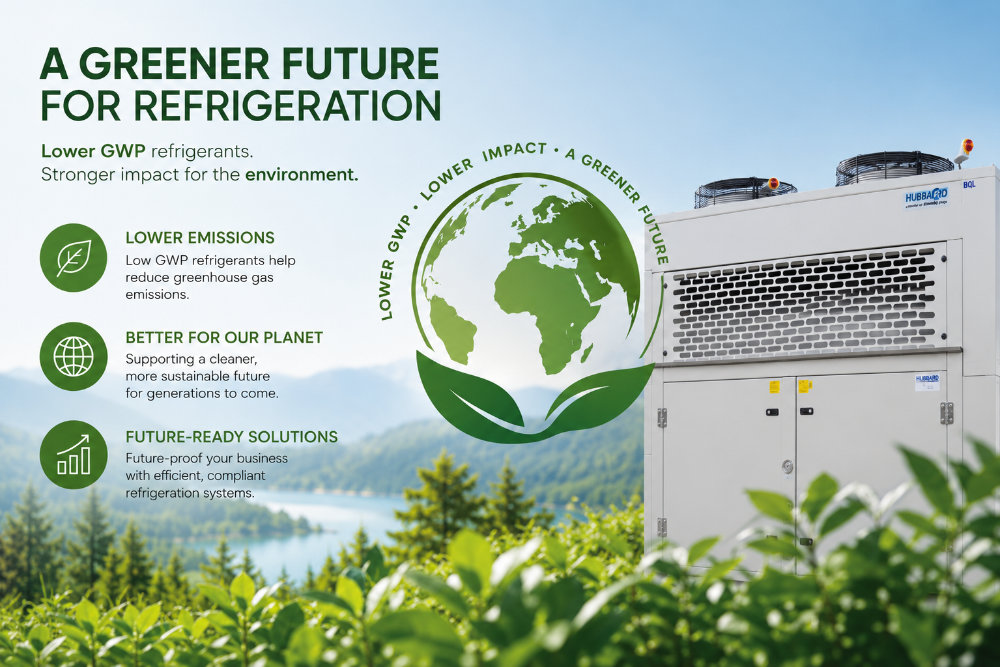
Refrigerant changes are coming, but there's no need to panic.
If you're investing in commercial refrigeration, you've probably heard increasing discussion around refrigerants, F-Gas regulations and the move towards lower global warming potential (GWP) alternatives. While these changes are important, they don't mean businesses need to rush into replacing perfectly good equipment. Instead, the key is understanding what's changing and planning ahead.
The UK's F-Gas Regulations are designed to reduce the use of high GWP HFC refrigerant by gradually reducing the amount that can be placed on the market. As availability decreases over time, businesses are likely to see increasing pressure on the cost and supply of some refrigerants, making long-term planning more important than ever.
Why is HFC Refrigerant Being Phased Down?
For many years, HFC refrigerant has been widely used across commercial refrigeration because it is reliable, efficient and familiar to engineers. However, many HFC refrigerants have a relatively high global warming potential, which has led governments across the UK and Europe to introduce phased reductions in their use.
This doesn't mean HFC refrigerants will disappear overnight. Existing systems can continue to be maintained and serviced where regulations allow, but businesses purchasing new refrigeration equipment should think carefully about how future refrigerant availability could affect operating costs and long-term ownership.
For organisations investing in equipment expected to remain in service for ten years or more, choosing a future-ready solution can help reduce the need for expensive upgrades later.
What is HFO Refrigerant?
One alternative gaining significant attention is HFO refrigerant. Hydrofluoroolefin (HFO) refrigerants have a much lower global warming potential than many traditional HFC refrigerants while still delivering excellent cooling performance. They are increasingly being used in new commercial refrigeration systems, either on their own or as part of blended refrigerants, helping businesses reduce their environmental impact while remaining compliant with evolving regulations.
As more manufacturers develop equipment specifically for lower GWP refrigerants, HFO technology is expected to play an increasingly important role in the commercial refrigeration sector.
What Are A2L Refrigerants?
As businesses move away from higher GWP HFC refrigerants, you may also hear the term A2L refrigerants. A2L is a safety classification used for many of the latest lower GWP refrigerants, including several HFOs and HFC/HFO blends.
The "A" indicates low toxicity, while "2L" means the refrigerant is mildly flammable with a low burning velocity. These refrigerants have been developed to reduce environmental impact while providing similar performance to traditional HFC refrigerants.
Because A2L refrigerants have different handling requirements, manufacturers have designed new equipment specifically for them. For businesses buying new refrigeration systems, this isn't something to worry about, but it is another reason why choosing the right equipment and supplier is becoming increasingly important.
Why Is CO2 Refrigerant R744 Becoming More Popular?
Natural refrigerants are also becoming more common, particularly in larger retail and food production environments. CO2 refrigerant R744 has a global warming potential of just one, making it one of the most environmentally responsible refrigerants currently available. It also offers excellent performance in many commercial refrigeration applications.
Although CO2 systems require specialist design and engineering because they operate at much higher pressures than conventional systems, advances in technology have made them an increasingly attractive option for supermarkets, distribution centres and food manufacturers looking to future-proof their refrigeration investment.
Planning Ahead is the Best Approach
The transition to lower GWP refrigerants does not mean businesses need to replace existing equipment unnecessarily, but it does make forward planning increasingly important. As F-gas regulations continue to reduce the availability of higher GWP refrigerants, supply is likely to tighten over time, which could affect both availability and cost.
For businesses planning new refrigeration equipment or considering future replacement, refrigerant choice should therefore form part of the wider investment decision. Whether that means selecting equipment using HFO refrigerant, R744 refrigerant or another lower GWP solution, understanding the available options and planning ahead can help businesses manage the transition without making rushed or unnecessary changes.
Further Reading
If you'd like to learn more about the future of commercial refrigeration, Wolseley Climate has produced a free guide called Navigating Changes in Commercial Refrigeration. It covers upcoming F-Gas changes, refrigerant selection, emerging technologies and practical advice for planning future refrigeration projects, making it a valuable resource for businesses investing in new equipment.
Get in Touch
Choosing the right refrigeration system is about more than just meeting today's requirements. It's about investing in equipment that will continue to deliver reliable performance as regulations and refrigerant technologies evolve.
Whether you're planning a new installation, upgrading existing equipment or exploring lower GWP refrigerant options, Hubbard's experienced team can help you identify the right solution for your business.
Contact Hubbard today to discuss your commercial refrigeration requirements.


