CO2 Refrigerant: The Future of Commercial Refrigeration
Why CO2 Units and CO2 Packs Are Leading the Shift to Low GWP Systems
CO2 refrigerant, also known as R744, is rapidly becoming the preferred choice food retail and industrial refrigeration across the UK. As F-Gas regulations continue to restrict high Global Warming Potential (GWP) refrigerants, businesses are turning to alternatives that offer long-term compliance, efficiency and reliability.
CO2 sits firmly at the centre of that transition. It is a natural refrigerant with a GWP of just 1, the lowest possible rating based on carbon dioxide as the reference point, making it one of the most environmentally responsible options available today.
For operators, this is not just about sustainability. It is about investing in systems that are future-proof, cost-effective and aligned with evolving legislation.
What is CO2 Refrigerant (R744)
CO2 refrigerant, or R744, is a naturally occurring gas used in refrigeration systems for cooling and temperature control. Unlike synthetic refrigerants, it has no ozone depletion potential and an ultra-low environmental impact. It is also:
- Non-toxic and non-flammable, making it suitable for use in public and commercial environments.
- Widely available and cost-effective compared to synthetic refrigerants.
- A long-term solution with no phase-down restrictions under current legislation.
These characteristics have driven widespread adoption of CO2 refrigerant usage across supermarkets, cold storage facilities and industrial refrigeration systems, particularly where long-term compliance is a priority.
How CO2 Units and CO2 Packs Work
CO2 refrigeration systems operate using the same fundamental principles as traditional systems, but with key differences in pressure and system design. In simple terms:
- The compressor increases the pressure and temperature of the CO2 gas.
- The gas cooler or condenser releases heat and converts it into liquid.
- The refrigerant absorbs heat from the cooled space and repeats the cycle.
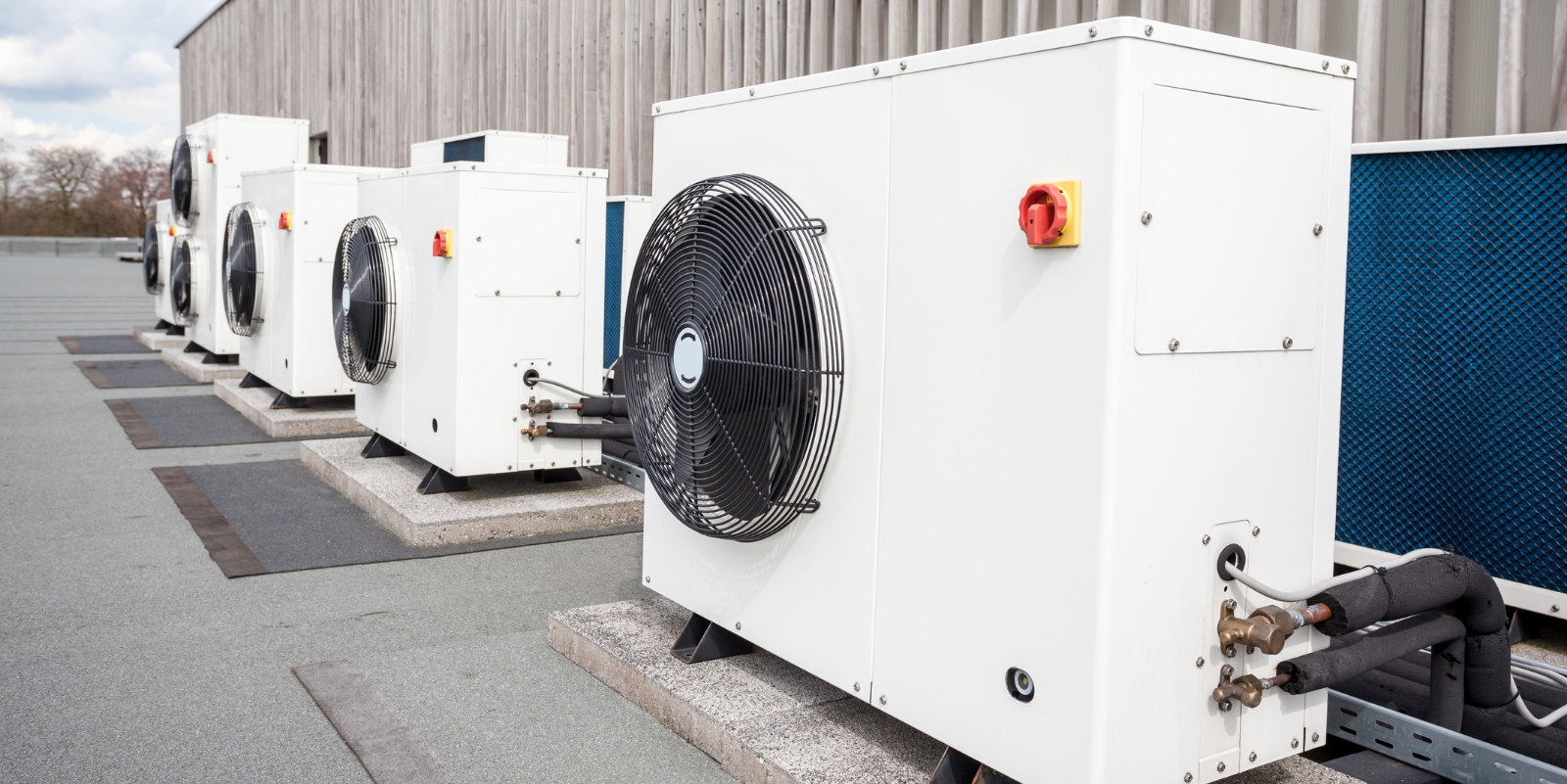
For smaller or standalone refrigeration applications, CO2 units are often used as self-contained or decentralised systems designed to serve individual cold rooms, display cases or dedicated cooling zones. These units provide many of the environmental and efficiency benefits of larger CO2 systems while offering a more compact solution for businesses that do not require a centralised refrigeration pack.
For larger applications, CO2 packs are commonly used. These are centralised systems that manage multiple refrigeration loads, often found in supermarkets and distribution centres.
Businesses looking to centralise refrigeration across multiple zones often benefit from purpose-built CO2 pack systems that provide consistent performance and simplified control across an entire site. Factory-built CO2 packs bring several advantages:
- Consistent performance across multiple cooling zones.
- Integrated controls and safety features.
- Simplified installation and commissioning.
This makes them a practical and scalable solution for complex refrigeration environments.
Why CO2 Refrigeration is Growing so Quickly
The shift towards CO2 units and CO2 packs is being driven by a combination of regulation, performance and long-term value.
- Environmental Compliance: CO2 refrigerant meets the strictest environmental standards, helping businesses stay compliant with F-Gas regulations and reduce their carbon footprint.
- Energy Efficiency: CO2 systems offer strong heat transfer performance and can deliver high efficiency, particularly in commercial and industrial applications.
- Long-Term Stability: Unlike HFC refrigerants, CO2 is not subject to phase-down or supply restrictions, providing cost stability and long-term availability.
- Versatility Across Applications: CO2 refrigeration is now widely used in:
- Retail and supermarket refrigeration.
- Cold storage and distribution.
- Food processing environments.
Considerations When Choosing CO2 Refrigeration
While CO2 refrigeration offers clear advantages, it does require a different approach to system design and operation.
- Higher operating pressures require specialist components and engineering expertise.
- System design must account for temperature and climate condition.
- Installation and maintenance must be carried out by experienced professionals.
Working with a specialist supplier helps ensure systems are correctly specified, installed and supported over the long term.
Future-Proofing with CO2 Systems
CO2 refrigerant is no longer an emerging technology. It is a proven, widely adopted solution that aligns with both current regulations and future industry direction. For businesses investing in refrigeration, CO2 packs and CO2 units offer:
- Compliance with F-Gas regulations.
- Reduced environmental impact.
- Long-term cost stability.
- Scalable performance across applications.
As legislation tightens and sustainability targets increase, CO2 refrigeration provides a clear path forward.
Related CO2 Refrigeration Solutions
If you are exploring CO2 refrigerant systems, the following solutions may be relevant:
- Low GWP Refrigeration Systems - designed to meet current and future F-Gas requirements.
Get in Touch
If you are considering CO2 units or CO2 packs for your business, our team can help you identify the right system based on your application, capacity and compliance requirements. Please contact our specialist team or explore our refrigeration solutions to get started.