24 Jun 2026
How to Reduce Energy Consumption
A Guide for Commercial Refrigeration Operators
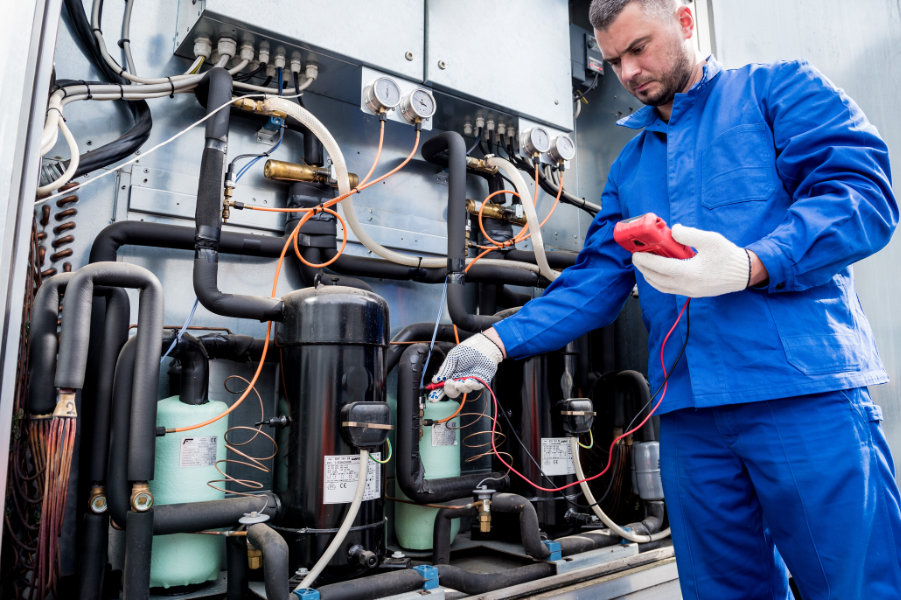
Energy costs remain one of the biggest operational challenges for businesses relying on refrigeration. Whether you operate cold rooms, freezer rooms, food production facilities or temperature-controlled transport, reducing energy consumption can deliver significant long-term savings.
The good news is that improving refrigeration efficiency does not always require a complete system replacement. In many cases, a combination of maintenance, operational improvements and modern refrigeration technology can make a measurable difference.
This guide outlines practical ways to reduce energy consumption while maintaining reliable cooling performance.
Step 1: Review Your Existing Refrigeration Equipment
Older refrigeration systems often consume more energy than modern alternatives. If your equipment is approaching the end of its service life, it may be worth assessing whether newer energy efficient cooling technology could reduce running costs. Modern inverter-driven refrigeration systems automatically adjust cooling output to match demand, helping reduce unnecessary energy use. Questions to ask:
- How old is the refrigeration system?
- Is the equipment regularly serviced?
- Are energy costs increasing year on year?
- Does the system struggle during peak operating periods?
Step 2: Prioritise Preventative Maintenance
One of the simplest ways to reduce energy consumption is to ensure refrigeration equipment is properly maintained.
Dirty condensers, blocked airflow, worn components and refrigerant issues can all force systems to work harder than necessary. Regular servicing can help:
- Improve efficiency
- Maintain cooling performance
- Extend equipment lifespan
- Reduce breakdown risks
For many businesses, preventative maintenance offers some of the quickest efficiency gains.
Improve Efficiency with Planned Servicing
Preventative maintenance can help reduce energy costs, minimise downtime and extend equipment life. View Hubbard’s Servicing Packages, which include total care, pay-as-you go, premier care and premier care plus.
Step 3: Reduce Cooling Losses
Many refrigeration systems waste energy through avoidable heat gain. Simple operational changes can make a difference:
- Minimise unnecessary door openings.
- Check door seals regularly.
- Repair damaged insulation.
- Ensure doors close properly.
- Avoid storing warm products in chilled environments where possible.
Reducing heat entering the refrigerated space means equipment spends less time working to maintain low temperatures.
Step 4: Upgrade to Energy Efficient Cooling Technology
When equipment replacement becomes necessary, energy performance should be a key consideration. Modern energy efficient cooling systems use technologies such as:
- Inverter compressors
- Intelligent controls
- Variable-speed fans
- Low GWP refrigerants
- Advanced monitoring systems
These technologies help refrigeration systems respond more effectively to changing cooling loads while reducing energy consumption.
Step 5: Consider CO₂ Refrigeration Solutions
For businesses planning future investments, natural refrigerant systems can provide both environmental and efficiency benefits.
Modern CO₂ refrigeration systems combine low GWP refrigerants with advanced inverter technology, helping businesses improve performance while supporting sustainability goals. They are increasingly used across:
- Food retail
- Hospitality
- Cold storage
- Food processing
- Distribution facilities
Explore Our CO₂ Refrigeration Range
At Hubbard we supply energy-efficient CO₂ refrigeration systems designed for modern commercial and industrial applications. We offer a selection of CO2 condensing units and made to order CO2 packs.
Step 6: Monitor Energy Performance
Many businesses only discover inefficiencies after energy costs begin to rise. Monitoring refrigeration performance can help identify:
- Unusual energy consumption
- Equipment faults
- Temperature fluctuations
- Maintenance requirements
Tracking performance over time allows businesses to make informed decisions about servicing, upgrades and future investment.
Step 7: Take a Whole-System Approach
The most economical cooling systems are those that work efficiently as part of a wider energy strategy. Rather than focusing on individual pieces of equipment, consider:
- Building insulation
- Ventilation
- Refrigeration controls
- Heat recovery opportunities
- Cooling load management
Small improvements across multiple areas often deliver greater savings than a single large upgrade.
Get in Touch
If you are looking to reduce energy consumption, improve refrigeration efficiency or explore more energy efficient cooling solutions, Hubbard can help. Our team can advise on modern refrigeration technologies, inverter systems and low GWP solutions designed to support long-term operational and sustainability goals. Please contact us today.


