04 Nov 2026
When Should Refrigeration Controls Be Upgraded?
Recognising the signs that your refrigeration controls may no longer be delivering the performance your system needs.
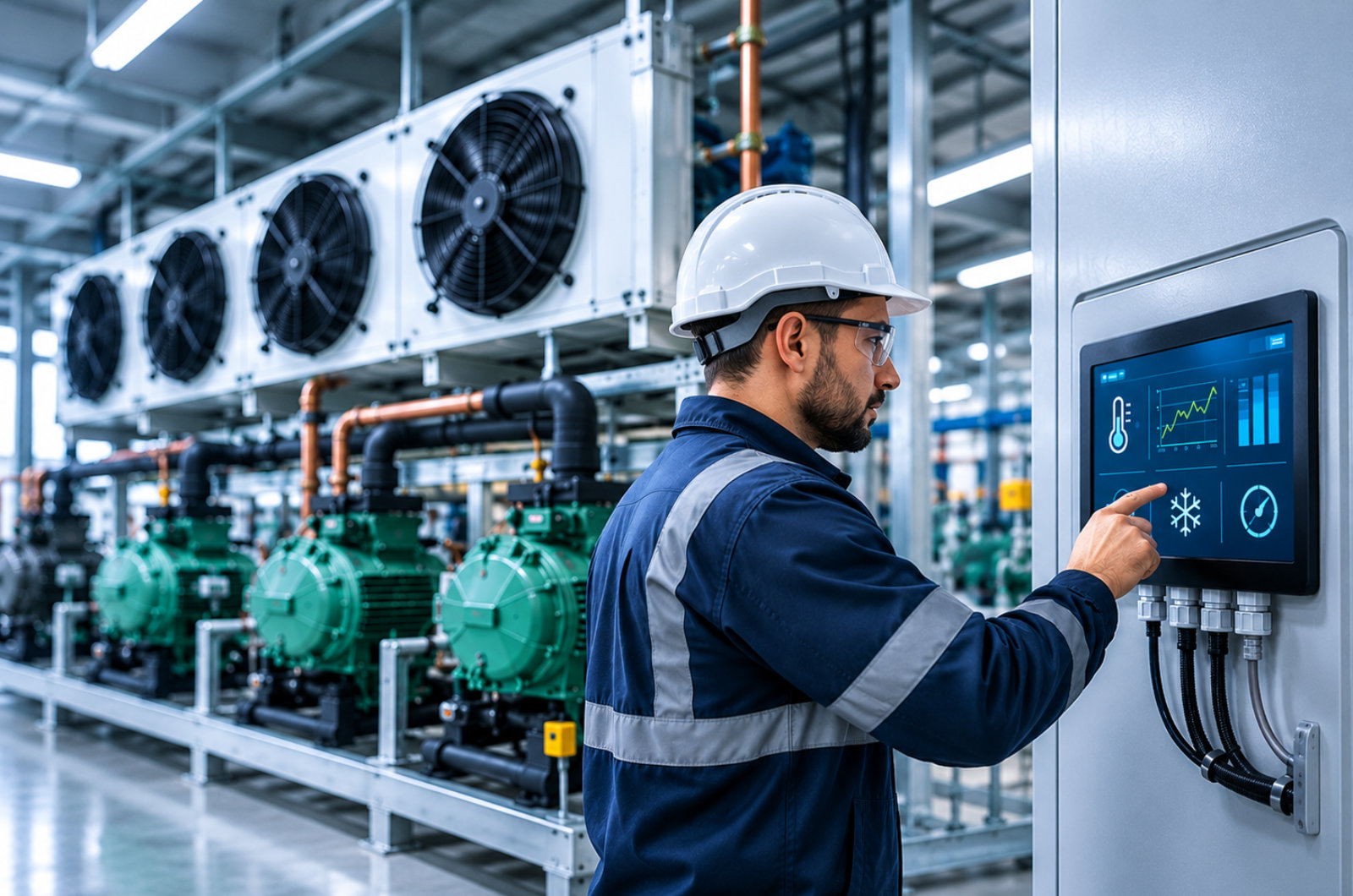
Refrigeration controls can remain operational for many years, but working does not necessarily mean working as effectively as they could.
As refrigeration equipment ages, operating requirements change and control technology develops, so there may come a point when existing controls begin to limit system performance. Recognising the signs can help businesses decide when it is worth reviewing or upgrading refrigeration controls.
Inconsistent Refrigeration Temperatures
Temperature fluctuations are one of the clearest indications that something within a refrigeration system needs attention. There can be many causes, from equipment and maintenance issues to changing operating conditions. However, controls should also be included in the investigation.
If the existing controls are struggling to maintain the required conditions or respond effectively to changes in demand, reviewing the control strategy may help identify opportunities for improvement.
Energy Consumption is Increasing
A refrigeration system that starts consuming more energy without an obvious change in operating requirements deserves investigation. Older or poorly performing controls can contribute to unnecessary equipment operation. Compressors may run for longer than required, fans may operate unnecessarily or defrost cycles may no longer reflect the needs of the system.
An increase in energy use does not automatically mean the controls are responsible, but it can be a useful reason to review how the complete refrigeration system is operating.
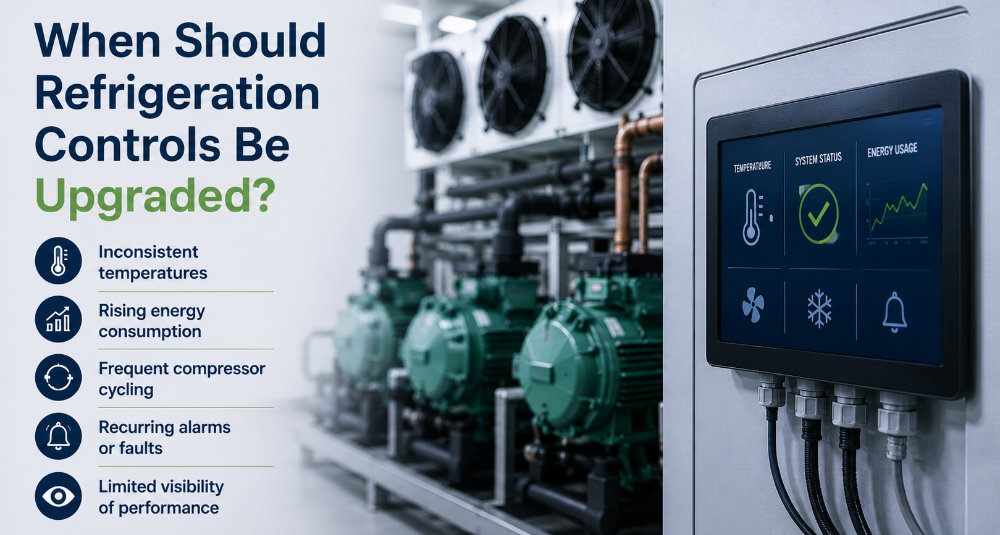
Compressors Are Cycling Frequently
Frequent compressor starts and stops can indicate that the refrigeration system is not responding effectively to demand. The cause needs to be properly investigated, but the control strategy is one area engineers may consider.
Modern refrigeration systems can incorporate different approaches to capacity management, allowing output to respond more closely to changing refrigeration loads. Reviewing the controls alongside the compressor technology can help establish whether the two are still working effectively together.
Recurring Alarms or Faults
Occasional alarms can be part of normal system management, but repeated warnings should not simply become accepted as part of everyday operation. Recurring temperature, pressure or equipment alarms may indicate an underlying problem that needs attention.
Controls capable of providing useful operating information can make it easier to understand what is happening within the refrigeration system and help engineers identify patterns that require further investigation.
Want to Understand Your Refrigeration Controls Better?
|
Want to Understand Your Refrigeration Controls Better?Our Complete Guide to Commercial Refrigeration Controls explores how temperature, compressor, fan and defrost controls work, along with their role in monitoring, energy efficiency and reliable refrigeration performance. |
Your Refrigeration Requirements Have Changed
Sometimes the reason to upgrade refrigeration controls has nothing to do with the age of the existing equipment. A business may have expanded its refrigerated space, changed how a site operates or introduced different refrigeration equipment. Changes to refrigerants or compressor technology can also alter the requirements placed on the control system.
Controls originally specified for one set of conditions may no longer be the best fit.
Reviewing them as part of wider system changes helps make sure the control strategy remains appropriate for the equipment and application.
You Have Limited Visibility of System Performance
Older controls may provide relatively little information beyond basic temperature management. More modern control approaches can provide greater visibility of operating conditions and alarms, helping businesses and engineers build a clearer picture of refrigeration performance.
This can be particularly useful when investigating recurring issues or looking for opportunities to improve system operation.
Does Upgrading Controls Mean Replacing the Refrigeration System?
Where existing refrigeration equipment remains suitable and compatible, upgrading the controls may provide an opportunity to improve system operation without replacing everything. However, controls should never be considered in isolation. Compressors, condensers, evaporators, refrigerant, sensors and other components all influence refrigeration performance.
The right approach is therefore to assess the complete system and determine whether upgrading the controls alone is appropriate or whether wider changes would provide greater long-term benefit.
Is it Time to Review Your Refrigeration Controls?
If your refrigeration system is experiencing inconsistent temperatures, increasing energy consumption, recurring alarms or changing operating requirements, it may be time to assess whether the existing controls remain suitable.
Hubbard can help review your refrigeration requirements and identify an appropriate equipment and control solution for your application.

