08 Jul 2026
The Impact of Door Openings on Commercial Refrigeration
Frequent door openings can increase energy consumption, affect temperature control and drive up operating costs.
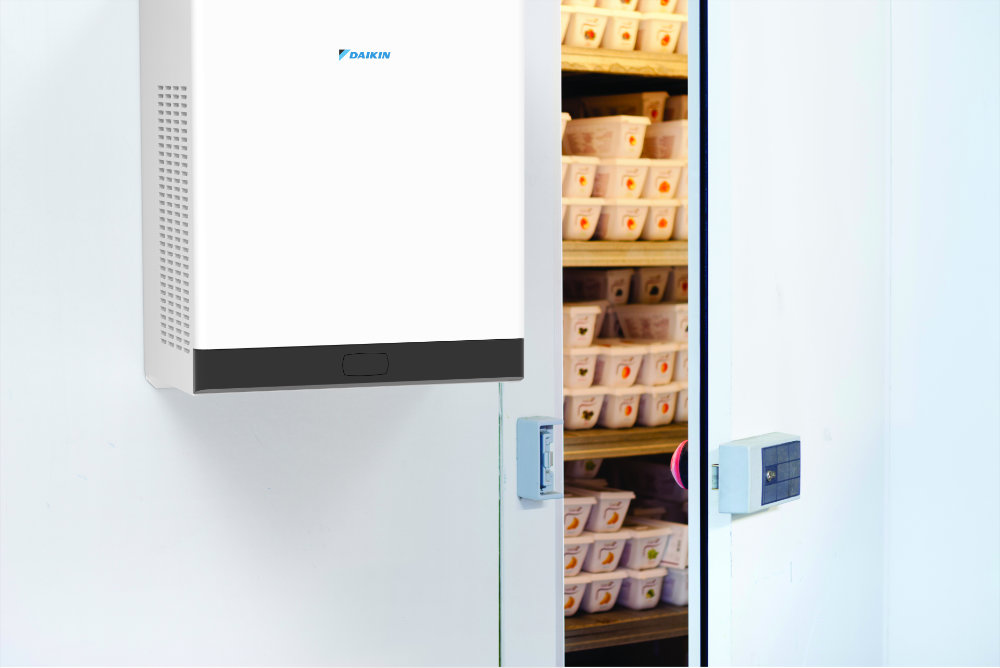
When businesses look to improve refrigeration efficiency, attention often focuses on compressors, refrigerants and control systems. However, one of the biggest contributors to refrigeration energy loss can be something much simpler, the door.
Whether it is a cold room, freezer room, refrigerated display cabinet or food production facility, every door opening allows warmer air to enter the refrigerated space. While this may seem insignificant in isolation, the cumulative impact can have a measurable effect on energy consumption, temperature stability and equipment performance.
For businesses looking to reduce operating costs and improve refrigeration efficiency, understanding the impact of door openings is an important part of the overall strategy.
Why Door Openings Matter
Every time a refrigeration door is opened, cold air escapes and warmer, moisture-laden air enters the refrigerated environment.
This process, known as air infiltration, increases the refrigeration load because the system must work harder to remove the additional heat and moisture. Industry research has identified air change loads as a major contributor to overall refrigeration heat gain, particularly in busy cold stores and food production environments.
In high-traffic facilities where doors are opened frequently throughout the day, these additional loads can quickly accumulate.
The Effect on Energy Consumption
One of the most immediate consequences of frequent door openings is increased energy use.
As warm air enters the refrigerated space, compressors must run for longer periods to restore the required temperature. Research into refrigerated display cabinets found that door-opening activity can significantly affect energy consumption and temperature performance. One study reported energy consumption increases of around 28% under repeated door-opening conditions when compared with stable operating conditions.
For businesses operating refrigeration systems 24 hours a day, even relatively small increases in compressor runtime can have a noticeable impact on annual energy costs.
Temperature Stability and Product Protection
Maintaining consistent temperatures is essential for food safety, product quality and regulatory compliance.
Frequent or prolonged door openings can create temperature fluctuations throughout a refrigerated space. Studies have shown that higher door-opening frequencies can increase product temperatures, particularly near door openings where warm air infiltration is greatest.
In chilled and frozen storage environments, these fluctuations can place additional pressure on refrigeration systems while potentially affecting temperature-sensitive products. For operators in food production, food distribution and pharmaceutical storage, maintaining stable temperatures remains a critical operational priority.
The Impact on Refrigeration Equipment
Door openings do not only affect temperatures and energy costs. They can also increase wear on refrigeration equipment.
As refrigeration systems work harder to compensate for heat gain, compressors, fans and other components may operate for longer periods. Over time, this can contribute to increased maintenance requirements and reduced equipment lifespan.
Moisture entering through open doors can also contribute to frost and ice formation, particularly in freezer environments. Excessive frost build-up can further reduce system efficiency and increase defrost requirements.
How to Reduce the Impact of Door Openings
While door openings cannot be eliminated entirely, there are several practical ways to reduce their impact.
- Minimise Open Times - keeping doors open only as long as necessary helps reduce heat gain.
- Review Traffic Flow - organising workflows can reduce unnecessary door usage.
- Install High-Speed Doors - reducing the amount of time openings remain exposed.
- Use Air Curtains - creating a barrier that helps reduce air infiltration.
- Maintain Door Seals - ensuring doors close correctly and remain airtight.
- Monitor Door Usage - door alarms and monitoring systems can identify operational issues.
Small operational improvements can often deliver measurable reductions in refrigeration energy consumption.
Why Refrigeration System Design Matters
Modern refrigeration systems are increasingly designed to cope with varying refrigeration loads caused by changing operational conditions.
Technologies such as inverter-driven compressors, advanced controls and intelligent monitoring systems can help refrigeration equipment respond more efficiently to fluctuating demand. Hubbard's range of commercial refrigeration solutions includes inverter-driven technologies. These are designed to improve energy efficiency while maintaining consistent cooling performance.
However, even the most efficient refrigeration system will perform better when unnecessary heat gain is minimised.
Get in Touch
If you are looking to improve commercial refrigeration efficiency, reduce refrigeration energy consumption or review the performance of your existing refrigeration systems, Hubbard can help.
Our team can advise on refrigeration technologies, energy-saving solutions and system upgrades designed to improve long-term efficiency and performance. Please contact our specialist team to discuss the right approach for your business.

